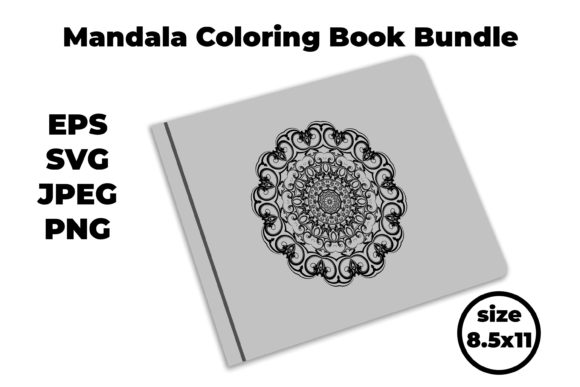
Decorative Pattern Coloring Page Book
First Impressions: A Calm, Versatile Canvas—Not Just for Crayons
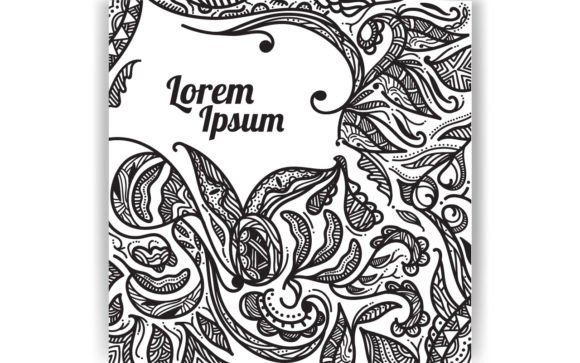
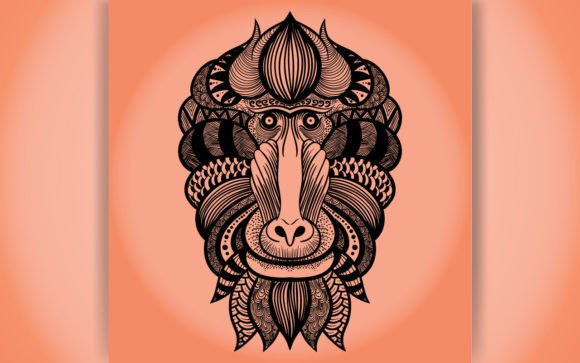
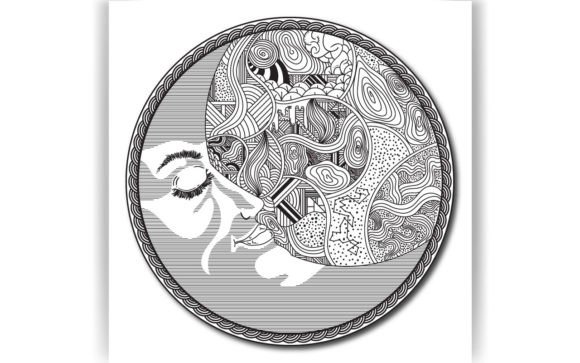
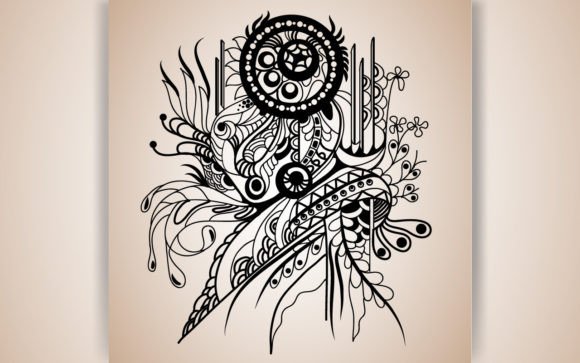
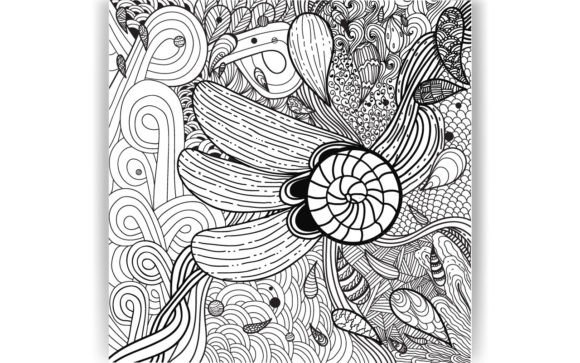
As someone who’s stitched hundreds of designs onto everything from linen tea towels to baby onesies, I opened the Decorative Pattern Coloring Page Book expecting line art—and got something more useful: intentional negative space, balanced rhythm, and a quiet confidence in its repetition. It doesn’t shout. It breathes. That’s rare in coloring-page-derived embroidery files. The patterns feel hand-drawn but precise—think Moroccan tiles meets Scandinavian minimalism—with consistent line weight and no accidental overlaps or stray anchor points. This isn’t clipart masquerading as craft; it’s a design built to translate cleanly into satin stitch borders, delicate fill-stitch motifs, or even subtle running-stitch accents.
Real-World Test: Embroidering a Linen Pillow Cover for a Local Boutique
Last week, I used one of the border motifs from the Decorative Pattern Coloring Page Book on a 16”x16” linen pillow cover destined for a small-town boutique. No client revisions, no rehooping—just clean stitching at medium density (I reduced default fill by 15% to preserve fabric drape). The result? A tactile, heirloom-quality piece that looked handmade—not digitized. Customers noticed the even spacing between motifs, the way the curves held shape without puckering, and how the design didn’t overwhelm the natural texture of the linen. That’s the quiet strength of this collection: it supports the material instead of fighting it.
Where It Shines (and Why)
- Custom apparel: Works beautifully on sweatshirt cuffs, t-shirt hems, and apron pockets—especially when scaled to 2–3 inches wide. The open layout avoids dense stitch clusters that stiffen knit fabrics.
- Baby embroidery: Soft, rounded patterns read clearly on onesies and burp cloths—even at 1.5" tall. No tiny interior details that vanish under wash-and-wear.
- Embroidered patch production: Clean vector outlines mean crisp edges when heat-applied or sewn on. No jagged corners after cutting.
- Holiday and wedding gifts: Timeless motifs (floral vines, geometric bands, mandala fragments) feel personal without being trendy—ideal for monogrammed kitchen towels or guest-book pillows.
- Etsy listings & printable mockups: High-res JPEGs and SVG files let you show realistic fabric textures in listings—no guesswork for buyers.
Where to Pause—and Plan Ahead
The Decorative Pattern Coloring Page Book isn’t magic. Its elegance comes with practical boundaries:
- Small hoop sizes (under 4”): Some full-page repeats won’t fit. Crop thoughtfully—focus on one motif + breathing room, not the entire border.
- Stretchy or thin fabrics: Use cutaway stabilizer underneath. These patterns rely on clean lines—any shifting ruins the visual rhythm.
- Dark fabric: Test thread contrast first. Light gray or ecru works better than stark white on navy or charcoal—it reads as intentional, not washed out.
- Caps and curved surfaces: Avoid motifs with long horizontal runs—they’ll distort. Stick to vertical bands or circular centerpieces.
- Frequent-wash items (baby blankets, tea towels): Skip ultra-fine interior linework. Opt for bolder outlines and open-fill areas that hold up over time.
What It Adds to Your Finished Product—Beyond Stitching
This isn’t just about getting thread on fabric. It’s about what customers *feel* when they hold your work. The Decorative Pattern Coloring Page Book elevates perceived value because it looks considered—not generic. A tote bag with its symmetrical vine motif reads as boutique-made, not mass-printed. A personalized baby bib with a single scalloped frame feels like care was taken, not rushed. That builds trust. For Etsy sellers, that translates to fewer “Is this really handmade?” questions and more repeat buyers. For craft fair vendors, it means your table stands out—not because of glitter, but clarity.
Practical Designer Notes Before You Stitch
- Always test the Decorative Pattern Coloring Page Book on scrap fabric matching your final project’s weight and stretch.
- Check thread color contrast in both natural and artificial light—especially for gifts.
- Review stitch density: high-density fills can flatten texture on linen or chambray. Reduce if needed.
- Confirm hoop size compatibility before digitizing—some motifs scale beautifully down to 2”, others lose definition.
- Inspect corners and joins in the vector file (AI or EPS) for stray nodes or overlapping paths—clean vectors = cleaner stitches.
- Test black-and-white mockups. If it reads well without color, it’ll translate reliably across fabric types.
- Use proper stabilizer: tear-away for stable wovens, cutaway for knits or lightweight silks.
- Verify licensing terms before selling finished embroidered items or reselling digital files—this falls under Graphics, not Coloring Pages Amp, so commercial use may require review.
A Design That Respects Your Time—and Your Craft
In a world of overcrowded embroidery files and “more is more” digitizing, the Decorative Pattern Coloring Page Book stands out by honoring restraint. It gives you room—to choose thread, to pair with lettering, to adapt for baby clothes or boutique merchandise—without demanding perfection from your machine or fabric. It’s the kind of design that makes clients say, “How did you make it look *so* easy?” That ease? It’s intention. And it starts here.