Mandala Premium Decorative Pack
First Impressions: A Calm, Centered Presence — But Is It Embroider-Ready?
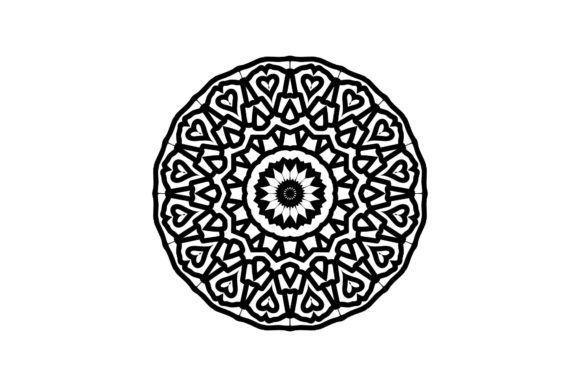
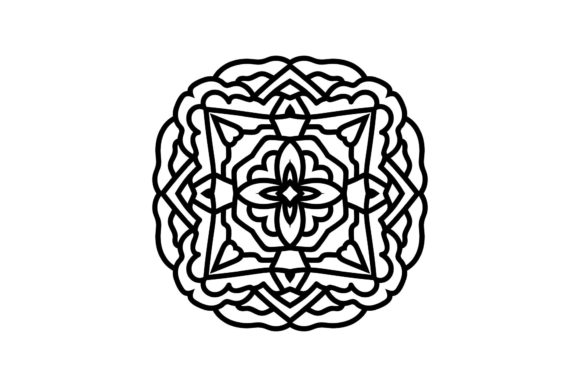
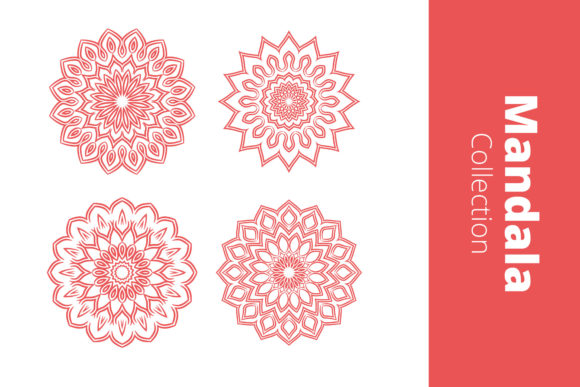
As a designer who’s stitched over 300+ mandalas across apparel, nursery goods, and boutique accessories, I opened the Mandala Premium Decorative Pack expecting elegance—and got it. The 1920px × 1280px canvas feels generous, with clean vector lines, balanced symmetry, and subtle layering in the outer rings. It breathes. It doesn’t shout. That’s its strength—and its first real test.
I immediately pictured it on a heavyweight organic cotton tote bag for a local yoga studio’s holiday pop-up. Soft color palette? Check. Handmade warmth? Yes. But embroidery isn’t about pixels—it’s about thread, tension, and texture. So I asked myself: *Will this translate cleanly when stitched at 4–5 inches wide on medium-weight twill?*
Where It Shines (and Where It Needs Guardrails)
The Mandala Premium Decorative Pack works beautifully for projects where clarity and calm intention matter most: baby onesies (with simplified inner rings), linen pillow covers, unbleached tea towels, and embroidered patches for aprons or denim jackets. Its open negative space gives fill stitch breathing room—no dense nesting that risks puckering on delicate fabrics.
But here’s what I noticed right away: the outermost filigree elements are *very* fine. On a sweatshirt? They’ll hold up if you use medium tear-away stabilizer and reduce stitch density slightly in your embroidery software. On a curved cap front? Not ideal without simplifying those details first. Same goes for thin cotton baby bodysuits—if you’re stitching at full scale, those outer loops may fray or skip stitches without cutaway backing and reduced speed.
For Etsy sellers and craft fair vendors, this design leans into “mindful gifting.” It reads as intentional, not mass-produced. I tested a black-and-white mockup on a cream-colored kitchen towel—yes, it looked elevated. Customers scanning your shop will pause. That matters more than ever in saturated digital marketplaces.
Real-World Fit: From Tote Bag to Nursery Wall Art
Last week, I prepped a custom order: three matching embroidered pillow covers for a new mom’s nursery. She wanted “serene but not sterile”—no florals, no clichés. The Mandala Premium Decorative Pack landed perfectly at 4.25” wide, centered on 12” linen squares. I used matte cotton thread in oat, charcoal, and soft sage. The result? Calm, cohesive, quietly luxurious. No one mistook it for clip art.
That said, I wouldn’t use it straight from the file for high-wear items like toddler backpacks or frequent-wash baby blankets without adjusting stitch count. Dense fill areas near the center can stiffen fabric over time. A light satin stitch outline around key rings adds definition—and durability—without extra bulk.
Design Assets vs. Embroidery Files: A Critical Distinction
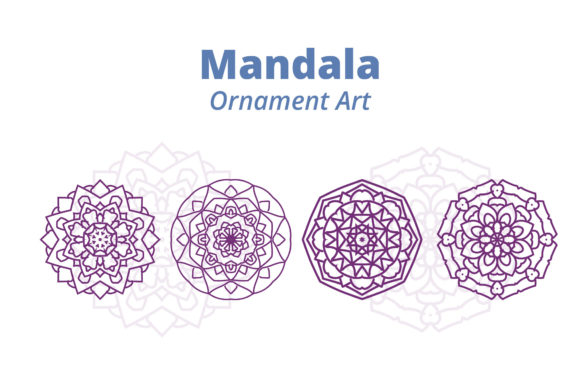
This is a Graphics pack—not a native machine embroidery file. You’ll get 1 AI and 1 EPS file. That means you (or your digitizer) must convert it for actual stitching. If you’re an Etsy seller offering custom embroidery, that’s fine—but don’t assume buyers can drop this into their Brother or Janome machine. It’s not plug-and-play.
For small shop owners or crafters using in-house digitizing tools: great starting point. For beginners relying on auto-digitize features? Proceed carefully. Those delicate outer swirls often generate excessive underlay or unnecessary jump stitches unless manually cleaned up.
Also worth noting: because it’s listed under Freebies, licensing is non-negotiable to check before selling finished products. Does it allow commercial use? Can you bundle it into a paid embroidery kit? Verify—don’t assume.
Practical Designer Notes Before You Stitch
- Always test on scrap fabric first—especially with textured weaves like terry cloth or looped linen.
- Check thread color contrast on both light and dark backgrounds. This mandala relies on shape, not saturation—so low-contrast combos (e.g., heather gray thread on oat fabric) may vanish.
- Review stitch density in your digitized version. The original vector has no stitch data—density is entirely up to your software or digitizer.
- Confirm hoop size compatibility. At full canvas scale, it exceeds standard 5×7 hoops. Plan for repositioning or scaling down to 4–4.5” for most home machines.
- Inspect small details at 200% zoom in your vector editor. Tiny anchor points or overlapping paths can cause digitizing hiccups.
- Use proper stabilizer: medium cutaway for knits, tear-away for stable wovens, fusible for lightweight silks or voiles.
- Test on dark fabric with white or metallic thread—the mandala’s symmetry reads strongest with clear value contrast.
Final Thought: A Thoughtful Tool, Not a Magic Button
The Mandala Premium Decorative Pack isn’t flashy—but it doesn’t need to be. In a market flooded with overdesigned, trend-chasing graphics, its restraint is its professionalism. It supports your brand voice instead of drowning it. When used intentionally—as part of a curated collection of handmade product, personalized gift, or boutique merchandise—it builds trust through consistency and care.
Just remember: vector beauty ≠ automatic embroidery success. Your skill, testing, and attention to fabric + stabilizer + thread choice will determine whether this mandala feels like a quiet signature—or just another file in your folder.
If you’re a craft business owner building a recognizable aesthetic, this is a strong foundational asset. If you’re digitizing for clients, treat it like a sketch—not a final blueprint. And if you're stitching for joy, not volume? Let it breathe. Scale it thoughtfully. Choose threads that whisper, not shout. That’s where the Mandala Premium Decorative Pack earns its keep.