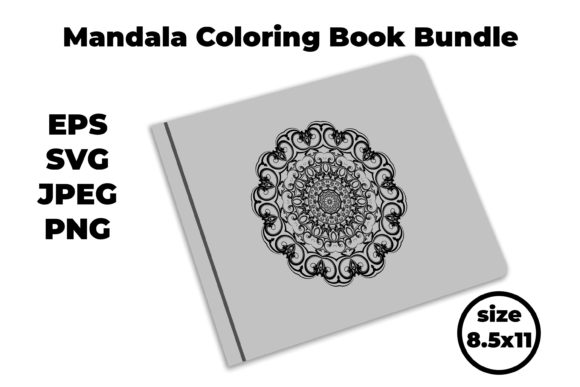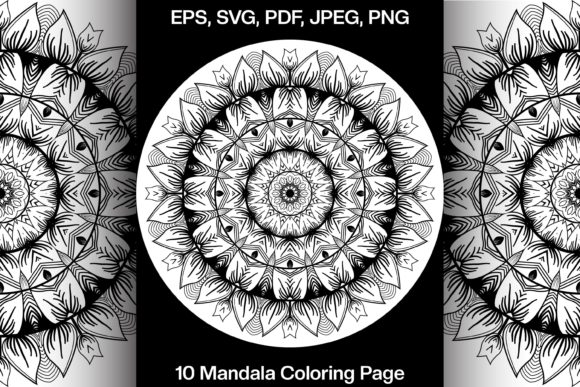
Mandala for Henna Graphics: Coloring Pages Amp Ornament
First Impression: Warm, Handmade, and Culturally Grounded
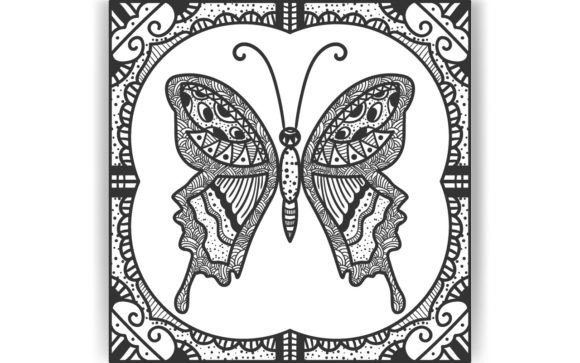
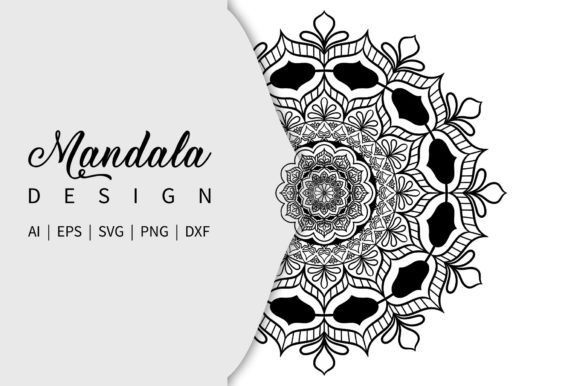
When I opened Mandala for Henna, Decorative Ornament, my immediate sense was of quiet intention—not flashy, not trendy, but deeply rooted. The design carries a soft elegance: intricate yet balanced, symmetrical without feeling rigid, ornamental without overwhelming. It leans into warmth, tradition, and tactile authenticity—ideal for a local business that values craft over clutter. Think small-batch skincare brand launching lavender-honey soap, a ceramicist’s holiday candle line, or a neighborhood bakery wrapping seasonal cardamom buns in kraft paper. This isn’t a generic clipart filler; it’s a graphic design asset with presence—feminine but not fragile, vintage-inspired but not dated, decorative but purpose-built.
Where It Strengthens Real Local Business Branding
In practice, Mandala for Henna, Decorative Ornament, works hardest where small businesses need quiet authority: product labels, packaging accents, and social media graphics that feel intentional, not assembled. For a handmade soap business, it becomes the subtle border on a recyclable label—elevating perceived value without shouting. On a coffee shop’s seasonal menu board, it frames a new spiced chai offering with cultural resonance and visual calm. As a hang tag for artisanal candles, it adds ceremonial weight to an otherwise simple cotton loop. Even in digital spaces—Instagram story highlights, Canva template headers, or printable thank-you cards—it delivers cohesion across touchpoints, reinforcing brand identity without repeating a logo.
Everyday Uses That Build Trust & Recognition
- Product labels: Works beautifully as a secondary motif beside clean typography—especially on apothecary-style jars or tea tins.
- Packaging design: Adds rhythm to flat mailers, gift boxes, or compostable pouches when scaled thoughtfully.
- Social media graphics: Serves as a consistent frame for product mockups, behind-the-scenes reels, or limited-edition announcements.
- Printable design: Ideal for boutique-branded thank-you cards, recipe inserts in food boxes, or seasonal greeting kits.
- Marketing visuals: Enhances flyers, posters, and window decals with decorative sophistication—no extra illustration needed.
Where It Elevates Shelf Appeal & Emotional Connection
For local businesses competing on crowded shelves or scroll-heavy feeds, Mandala for Henna, Decorative Ornament, helps create a stronger first impression—not by being louder, but by feeling more considered. Its symmetry suggests care; its organic flow implies hand-guided creation. That translates directly to customer trust. A florist using it as a watermark on Instagram stories signals artistry, not automation. A children’s product brand applying it to sticker sheets reinforces playfulness with structure. And because it’s delivered as both vector (AI, SVG, EPS, DXF) and high-res PNG, it scales cleanly from a 2-inch hang tag to a 48-inch in-store banner—supporting consistent brand presentation across physical and digital spaces.
Smart Placement: Where This Graphic Design Asset Shines
This asset thrives in decorative, supportive roles—not center stage, but as a trusted collaborator. It excels as:
- A hero graphic background behind minimal product photography
- An accent element on matte-finish packaging—especially kraft, stone paper, or uncoated stock
- A framing device for seasonal campaign visuals (e.g., Diwali, Eid, solstice, or spring renewal)
- A recurring motif across boutique visuals—window clings, receipt tape, tote bag prints
- A refined alternative to floral or geometric patterns for wellness, beauty, or home decor brands
Cautions: When Less Is More
While versatile, Mandala for Henna, Decorative Ornament, shouldn’t be forced where clarity or restraint is required. Avoid using it:
- On very small labels (under 1.5 inches wide)—fine details blur or vanish
- Over busy backgrounds or low-contrast surfaces—its subtlety gets lost
- In formal corporate branding or B2B tech contexts—it reads too warm and artisanal
- Alongside dense ingredient lists or legal disclaimers—visual hierarchy suffers
- Within luxury minimalist brands that rely on negative space—here, it competes instead of complements
Practical Brand Designer Notes Before You Use It
Before locking it into your client’s packaging design or social media calendar, test rigorously:
- Drop it into a real product mockup—not just a white canvas—to see how it interacts with texture, lighting, and scale.
- Convert to grayscale—does it retain definition? Crucial for black-and-white printing or embossing.
- Preview at actual label size—check if inner linework holds up on your chosen material and print method.
- Layer it over your brand’s core color palette—some hues mute its warmth; others deepen its richness.
- Compare side-by-side with top competitor packaging—does it stand out with distinction, not distraction?
- Inspect the SVG file for clean paths and editable nodes—essential if you’ll tweak stroke weight or spacing.
- Test it beside serif, sans serif, script, and handwritten fonts—observe contrast, rhythm, and balance.
- Verify commercial license terms—this is non-negotiable for client work, physical product sales, or digital product resale.
Final Thought: A Thoughtful Tool for Intentional Brands
Mandala for Henna, Decorative Ornament, isn’t a shortcut—it’s a thoughtful tool for small business branding that values meaning over mass appeal. Whether you’re designing for a candle maker in Asheville, a spice shop in Portland, or a children’s book illustrator in Toronto, this graphic design asset supports authenticity when used with intention. It doesn’t replace strategy—but it elevates execution. In an era where customers choose local for humanity, not convenience, details like this one quietly say: We made this with care. We chose this with purpose. You’re welcome here.