Islamic Decorative Pattern VOL-19: Graphics & Patterns for Authentic Branding
As a graphic designer who’s built visual identities for handmade boutiques, seasonal gift brands, and culturally rooted small businesses, I recently evaluated Islamic Decorative Pattern VOL-19 for a client launching an Eid-themed artisanal gift wrap line. My goal wasn’t just to see if it “looks nice”—but whether it delivers functional, emotionally resonant, production-ready value across print, digital, and product applications.
A First Impression That Speaks Before You Scroll
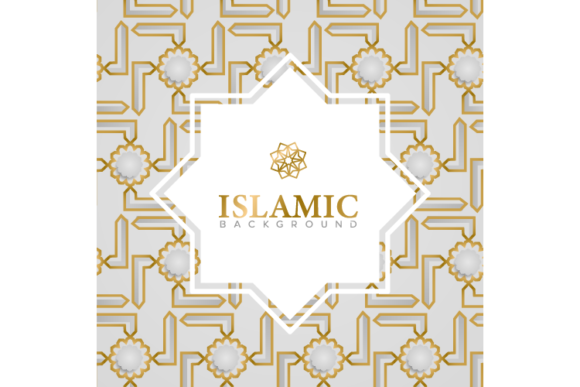
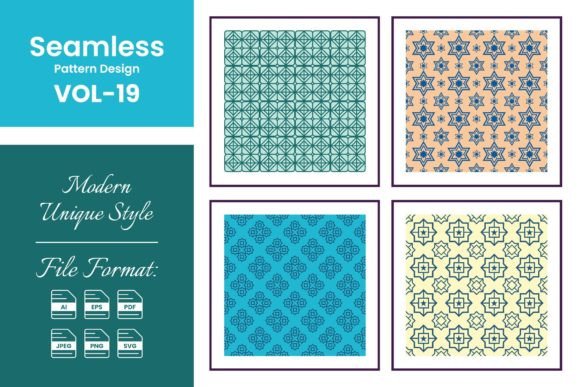
Opening the file set, I immediately noticed the balance: intricate geometry without visual noise, rhythmic repetition with breathing room, and a warm, sophisticated palette grounded in deep indigo, terracotta, sage, and cream—not oversaturated, not muted into oblivion. This isn’t “generic Middle Eastern clipart.” It’s a thoughtful interpretation of traditional motifs—arabesques, geometric stars, interlaced vines—rendered with modern precision. The mood is reverent yet approachable, elegant but never stiff. It feels like heritage translated for today’s conscious consumer—ideal for a boutique candle brand, a halal skincare launch, or a curated Ramadan subscription box.
Where It Shines in Real Client Work
Islamic Decorative Pattern VOL-19 excels where pattern needs to do more than fill space—it must anchor identity. In packaging design, it wraps beautifully around kraft paper boxes and matte-finish gift tags, adding tactile richness without overwhelming hand-lettered typography. As a background for Instagram carousels or Pinterest pins, it elevates marketing visuals instantly—especially when layered subtly behind product mockups or used as a border on Canva templates for digital ads.
For print-on-demand sellers and Etsy product creators, this is a high-performing graphic design asset: the 300 dpi RGB raster files ensure crisp fabric printing (think scarves, tea towels, tote bags), while the included vector files scale flawlessly for sublimation design on mugs or Cricut projects on vinyl. I tested it on a t-shirt mockup—no pixelation, no color bleed, and the repeat aligns seamlessly even at full chest width. As a decorative accent in editorial design or blog visuals, it adds cultural authenticity to lifestyle content without requiring illustration expertise.
Strategic Uses Across Your Design Toolkit
- Hero graphics & large layout areas: Perfect for website banners, poster backdrops, or event signage—its rhythm guides the eye without competing with messaging.
- Product mockups & packaging details: Adds premium texture to labels, belly bands, and gift wrap—enhancing perceived value for handmade business buyers.
- Themed collections & campaign visuals: Unifies seasonal launches (Ramadan, Eid, Mawlid) across email headers, social media graphics, and printable wall art.
- Supporting brand elements: Works as a subtle watermark, divider line, or frame for quotes—reinforcing brand identity without dominating hierarchy.
Where Caution Is Essential
This isn’t a one-size-fits-all design bundle. Its ornamental density means it should be used carefully in minimalist branding—avoid pairing it with ultra-thin sans serif fonts or stark monochrome layouts unless intentionally contrasted. It loses clarity at very small sizes (under 1.5 inches wide), so skip using it for tiny sticker designs or app icons. On complex backgrounds—like photos with busy textures or gradient overlays—it can visually compete rather than complement. And while it strengthens emotional appeal for faith-aligned or culturally intentional audiences, it’s not suited for generic corporate materials (e.g., B2B SaaS reports or financial brochures) where neutrality and universal readability are non-negotiable.
How It Shapes Perception—and Why That Matters
When applied thoughtfully, Islamic Decorative Pattern VOL-19 boosts visual trust and recognition. Its craftsmanship signals attention to detail—a subtle cue that the brand values authenticity and intentionality. For Muslim consumers, it affirms cultural resonance; for broader audiences, it communicates artistry and global awareness. But it also affects readability: place body text directly over it without sufficient contrast or opacity masking, and legibility suffers. Always test hierarchy—does your headline still command attention? Does your CTA button pop against the pattern? That’s where real design judgment kicks in.
Practical Designer Notes Before You Commit
- Test in black and white: Confirm the pattern retains its structure without color—critical for embroidery, foil stamping, or single-color print runs.
- Check contrast on light and dark backgrounds: Some motifs fade on pale creams or vanish on near-black tones—preview on actual mockups, not just thumbnails.
- Preview at multiple scales: Zoom out to 25% to assess rhythm; zoom in to 200% to inspect line weight and corner joins in the vector files.
- Verify file formats: Confirm SVG paths are clean and editable (not rasterized), and PNGs include transparent backgrounds if needed for web or sticker design.
- Pair with typography deliberately: It harmonizes with serif fonts (e.g., Playfair Display) for elegance, bold sans serifs (e.g., Montserrat Bold) for modern contrast, and restrained script fonts—but avoid overly decorative or handwritten styles that clash tonally.
- Confirm commercial licensing: This is a commercial design asset—verify the license permits use in client work, print-on-demand, and digital products before integrating into your workflow.
In short, Islamic Decorative Pattern VOL-19 is more than a decorative flourish—it’s a versatile, culturally grounded creative design tool for designers who understand that pattern carries meaning, not just aesthetics. When matched to the right project—be it an Etsy product, a local mosque’s annual fundraiser collateral, or a luxury gift brand’s seasonal drop—it doesn’t just look good. It connects, elevates, and endures.