Elegant Ramadan Kareem Decorative
First Impressions: Grace, Not Gaudiness
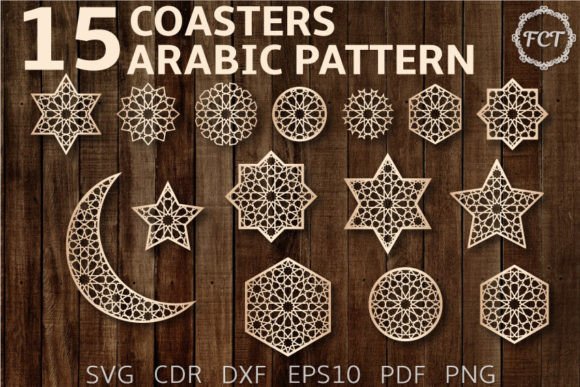
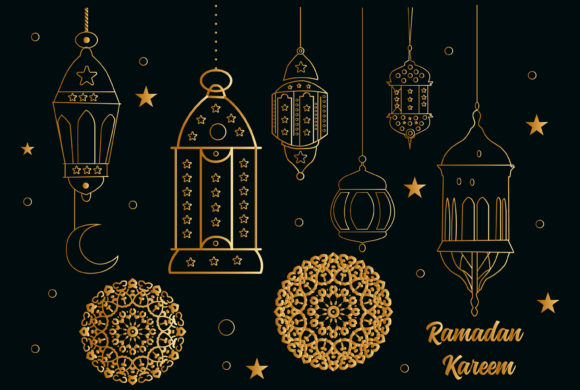
Opening Elegant Ramadan Kareem Decorative feels like unrolling a hand-calligraphed invitation—not a stock graphic, but something that breathes intention. The composition balances symmetry and soft movement: crescent motifs frame delicate arabesque flourishes, while the “Ramadan Kareem” script flows with subtle weight variation—neither too bold nor too fragile. It’s clearly designed for reverence, not repetition. As a designer who’s stitched hundreds of holiday-themed pieces, I immediately sense this isn’t meant for loud festival banners or oversize sweatshirt backs. It belongs on quiet moments: a linen tea towel folded beside dates, a baby’s cotton onesie, or the inside hem of a prayer shawl.
Real-World Test: Embroidering It on a Linen Tote Bag
Last week, I prepped a custom order—a set of embroidered linen tote bags for a local Islamic bookstore’s Ramadan gift bundle. I chose Elegant Ramadan Kareem Decorative for the front pocket because it scaled beautifully at 3.5 inches wide without losing legibility. On medium-weight linen, the design held its shape during stitching: satin-stitched curves stayed smooth, fill areas didn’t puddle, and the fine connecting lines between letters remained crisp. Customers later commented how “calm” and “thoughtful” the embroidery felt—not just decorative, but intentional. That matters. When you’re selling handmade products, especially spiritual or cultural items, tone is part of the value.
Where It Shines (and Where It Needs Care)
- Custom apparel: Works cleanly on sweatshirts and structured cotton tees—but avoid ultra-thin jersey or stretchy blends unless you add cutaway stabilizer underneath. The script’s thin strokes can waver on unstable fabric.
- Baby embroidery: Ideal for onesies and burp cloths. Its low stitch density (visually light, not heavy) means less stiffness against delicate skin. Just confirm thread colors are Oeko-Tex certified if selling commercially.
- Patches & appliqué: The clean vector outlines make it easy to convert into an appliqué design. I traced the crescent shapes as separate layers for a layered patch—gave depth without bulk.
- Small hoop sizes: At under 4 inches wide, it fits comfortably in a 4x4 hoop. But zoom in: those tiny dot accents above the Arabic-inspired glyphs? They’ll vanish below 2.5 inches. Reserve them for 3-inch+ applications.
- Dark or textured fabrics: On charcoal twill or bouclé knit, I recommend testing contrast first. The original vector uses subtle gradients—translate those into high-contrast thread pairings (e.g., ecru on navy, gold metallic on black). Don’t rely on screen previews alone.
What This Design Says About Your Brand—Before a Single Stitch
Elegant Ramadan Kareem Decorative doesn’t shout. It invites. That’s rare in holiday graphics—and powerful for craft businesses building trust. When your Etsy listing features this design on a mockup of a hand-dyed pillow cover, buyers don’t just see decoration; they see curation. They assume care was taken in sourcing, scaling, and stitching. That perception lifts perceived value, supports premium pricing, and reduces post-purchase questions (“Is this too busy?” “Will it look cheap?”). For boutique owners and small shop product developers, that quiet confidence is worth more than flashy detail.
Practical Designer Notes You Can’t Skip
- Test on scrap fabric first—especially if using textured weaves or blends. Linen, cotton-linen, and midweight canvas behaved well; rayon challis needed extra tear-away stabilizer.
- Review stitch density visually. Even though the file is vector-based, your embroidery software’s auto-digitizing may overfill delicate loops. Manually reduce density in curved arabesques by 10–15% for cleaner results.
- Confirm licensing before commercial use. The description says “Free Vector” but lists EPS, AI, SVG formats—common for both personal and commercial licenses. Verify whether resale of finished embroidered goods is permitted. When in doubt, contact the creator.
- Check small details in black-and-white mockups. Some subtle shadowing or line tapering disappears when converted to single-color thread. I simplified two filigree elements for a monochrome cap embroidery—kept the spirit, improved clarity.
- Use proper stabilizer for the end use. For kitchen towels or baby items: lightweight cutaway. For lightweight apparel: tear-away + topping. Skipping this step risks puckering around the crescent points.
- Compare light/dark background mockups side-by-side. What reads as serene on ivory may feel muted on oatmeal. Adjust thread saturation accordingly—not just hue.
Final Thought: A Design That Respects the Season
This isn’t just another machine embroidery design you drop into a project folder. Elegant Ramadan Kareem Decorative carries weight—cultural, visual, emotional. It works because it leaves room: room for fabric texture to show through, room for the wearer’s quiet reflection, room for your brand voice to align with meaning instead of marketing. Whether you’re an Etsy seller launching a Ramadan collection, a craft business owner designing boutique nursery decor, or a hobbyist making personalized gifts, this design earns its place when used with attention—not speed. Use it where stillness matters. Stitch it where intention lands.