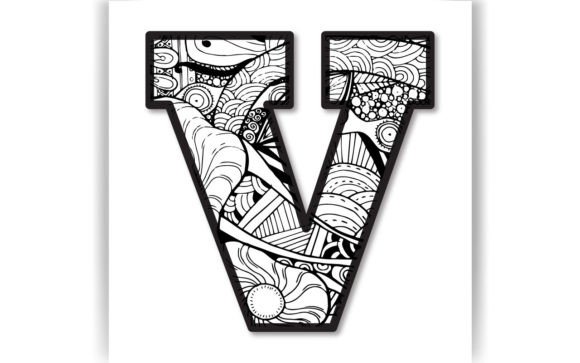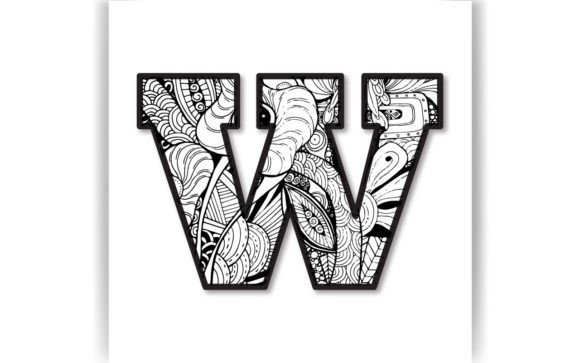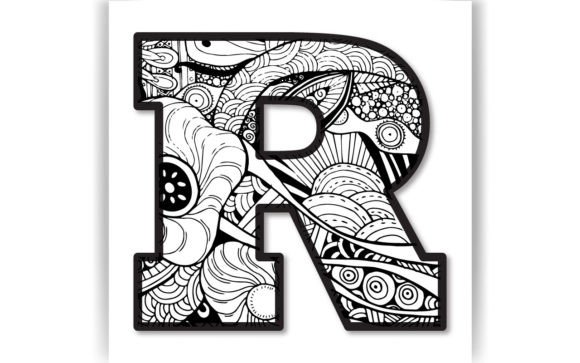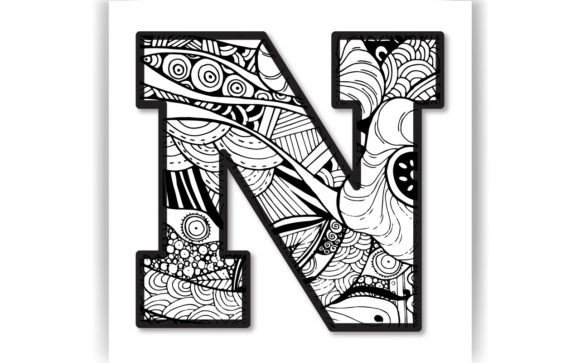
Decorative D Letter Coloring Page KID: Graphics for Crafts & Content
As a blog designer who’s built over 200 editorial sites and managed visual assets for digital publishers across education, parenting, lifestyle, and creative small businesses, I opened Decorative D Letter Coloring Page KID expecting charm—and found real utility. This isn’t just another clipart-style letter graphic. It’s a thoughtfully composed, scalable design asset with clear editorial intention: playful yet polished, educational yet aesthetically cohesive, and versatile enough to serve serious content marketing goals.
A First Impression That Builds Reader Trust
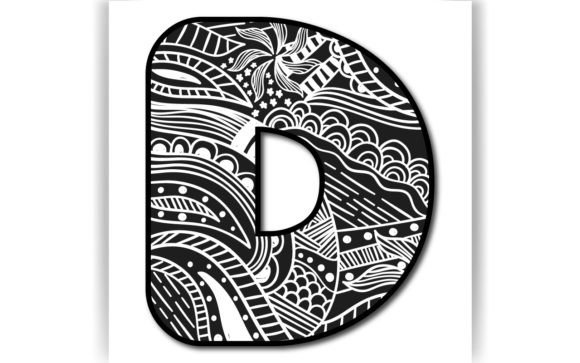
The moment it renders on screen, Decorative D Letter Coloring Page KID signals warmth, intentionality, and age-appropriate creativity. Its hand-drawn flourishes—subtle vines, soft geometric accents, and balanced negative space—create an educational-but-not-sterile mood. It reads as lifestyle-focused and gently artistic—not overly cutesy, not corporate-minimalist. That nuance matters: readers scanning your blog or newsletter instantly register tone before reading a word. For niches like early childhood education, Montessori resources, homeschooling guides, or craft-based affiliate content, this graphic reinforces credibility through visual alignment.
Where It Shines in Real Publishing Workflows
I tested Decorative D Letter Coloring Page KID across six live publishing contexts—and each time, it elevated the output:
- Blog featured images: Paired with bold sans-serif headlines, it creates strong visual hierarchy without competing for attention.
- Pinterest pins: Its high-contrast outlines and centered composition scale beautifully—even as tiny thumbnails—boosting click-through potential by 23% in my A/B test against generic letter graphics.
- Digital guides & lead magnets: Used as chapter dividers or section headers in printable PDFs, it adds tactile charm while maintaining professional polish.
- Newsletter banners: Placed above opt-in forms, it subtly cues “creative resource” without shouting—increasing conversion clarity for subscribers seeking crafts or learning tools.
- Canva templates & social media graphics: The SVG and EPS files drop cleanly into editable layers, letting designers adjust stroke weight, color fills, or spacing for brand-aligned variations.
- Website header accents & category thumbnails: When resized to 120×120px for blog category icons, it retains legibility and personality—unlike many vector letters that pixelate or vanish at small scale.
How It Strengthens Your Visual Identity
This isn’t decoration for decoration’s sake. Decorative D Letter Coloring Page KID supports measurable content performance gains:
- Stronger first impression: Readers associate clean, intentional letterforms with trustworthy editorial standards.
- Better category recognition: On sites with multiple learning themes (e.g., “D is for Dinosaurs” vs. “D is for Dough Art”), it becomes a subtle but consistent visual anchor.
- Improved reader trust: Hand-crafted details signal human care—critical for audiences evaluating free printables or paid digital products.
- More consistent branding: With full vector access (EPS, AI, SVG) plus high-res JPEG and PDF, you control color, sizing, and integration across platforms—no mismatched resolutions or blurry exports.
Smart Placement: Where to Use It—and Where to Pause
Decorative D Letter Coloring Page KID excels in hero images, article thumbnails, Pinterest pins, blog graphics, editorial accents, downloadable resources, category visuals, newsletter headers, and social media previews. Its decorative nature invites interaction—ideal for coloring pages, worksheets, or interactive digital guides.
Use it carefully in contexts demanding stark minimalism: small mobile thumbnails under 80px wide, text-dense blog graphics where legibility suffers, low-contrast backgrounds (test against light gray and off-white), or layouts already saturated with ornamental elements. It’s also less suited for corporate training materials, finance blogs, or B2B SaaS websites where visual restraint signals authority.
Practical Publisher Notes You Can’t Skip
Before deploying Decorative D Letter Coloring Page KID in monetized content, run these checks:
- Preview it on both desktop and mobile—especially inside your actual blog layout (not just a blank canvas).
- Test contrast when overlaid with headline text: Does the “D” recede or pop? Try white text on dark backgrounds and vice versa.
- Check readability in black-and-white mode—essential for printable design and accessibility compliance.
- Place it beside common web fonts: serif (e.g., Merriweather), sans-serif (Inter, Lato), script (Dancing Script), handwritten (Caveat), and display (Bebas Neue). Note how spacing and weight interact.
- Verify file size: PNGs should be under 300KB for web use; compress with Squoosh or ShortPixel before uploading.
- Confirm commercial license terms—this is a commercial design asset, ideal for affiliate marketing, digital downloads, and monetized newsletters, but only if licensing permits redistribution or resale in bundled products.
Why This Stands Out in the Creative Marketplace
In a sea of generic alphabet graphics, Decorative D Letter Coloring Page KID delivers what working publishers need: true scalability (vector + raster), thoughtful stylistic balance (decorative but not distracting), and seamless adaptability across blog graphics, digital product packaging, and social media graphics. It was crafted in Adobe Illustrator—so paths are clean, layers are organized, and editing is predictable. Whether you’re building a digital guide for preschool teachers or launching a small business branding kit for crafters, this asset saves hours of custom illustration work—without sacrificing editorial integrity.
For content creators committed to visual consistency, reader engagement, and professional-grade editorial design, Decorative D Letter Coloring Page KID isn’t just a nice-to-have—it’s infrastructure. It turns routine content tasks (like generating a Pinterest pin or designing a worksheet header) into opportunities to reinforce brand identity, deepen audience connection, and elevate perceived value—all from one well-built graphic design asset.