Decorative Botanical Frames for Logos 06
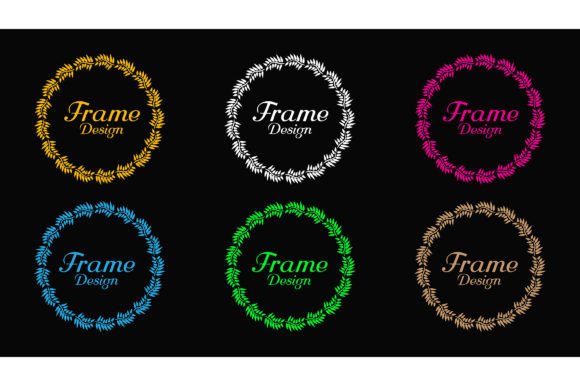
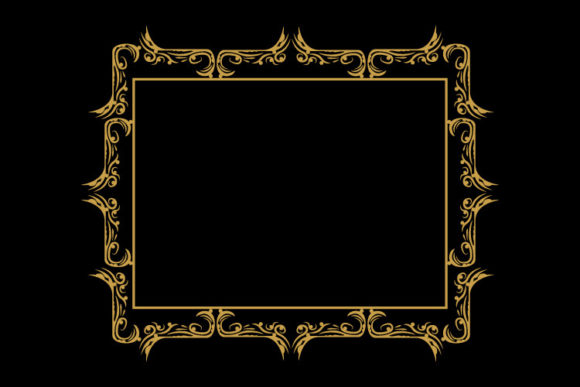
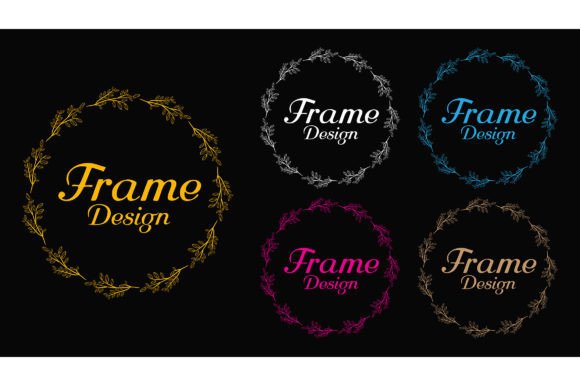
As a designer who’s stitched hundreds of client projects—from monogrammed baby blankets to boutique apparel lines—I opened Decorative Botanical Frames for Logos 06 expecting charm, but what stood out immediately was its quiet confidence. This isn’t a fussy, overwrought frame; it’s a balanced, breathing composition—curving vines, soft leaf clusters, and open negative space that invites a logo or monogram without swallowing it. The botanical motif feels grounded, not trendy: think heirloom kitchen towels or linen aprons for a small-batch food brand—not fast-fashion tees. It leans into warmth and tactility, which matters deeply when translating vector elegance into thread-on-fabric reality.
What It Actually Looks Like When Stitched
I tested Decorative Botanical Frames for Logos 06 on a medium-weight cotton tote bag—no lining, no heavy backing—and the result held up beautifully. The outer vine loops translated cleanly in satin stitch, with enough curve definition to read as intentional, not wobbly. Smaller inner leaves used subtle fill stitch gradients, avoiding dense buildup that can stiffen fabric or snag during washing. Crucially, the spacing between elements gave stabilizer room to do its job without puckering—especially helpful on lightweight cotton or textured linen.
For context: I paired it with a simple serif monogram (3 letters) centered inside the frame. On the tote, it felt elevated but approachable—like something you’d proudly gift at a baby shower or feature in a handmade shop window. Customers don’t just see “a frame”—they sense care, intention, and quiet craftsmanship. That perception lifts perceived value instantly, especially for Etsy sellers or local boutiques where handmade presentation builds trust.
Where It Shines (and Where to Pause)
Decorative Botanical Frames for Logos 06 works best when the product itself has presence: structured items like canvas totes, denim jackets, woven pillow covers, or thick-knit sweatshirts. Its scale and rhythm support boldness—not delicacy. I wouldn’t use it for newborn onesies or fine silk scarves; the frame’s gentle weight needs fabric with body to hold its shape after stitching.
- Great for: Embroidered patches (stabilized and heat-applied), kitchen tea towels, nursery wall hangings, holiday gift tags on linen pouches, and custom aprons for bakeries or florists.
- Use carefully on: Curved surfaces like caps (test hoop placement first), stretchy knits (add cutaway + topping), dark fabrics (confirm thread contrast—light greens and creams pop best on navy or charcoal), and layered garments like hoodies (check clearance under zippers or pockets).
- Avoid on: Tiny hoops under 4” diameter—the inner leaf details may compress or lose clarity, and tight corners can cause thread breaks without careful digitizing adjustments.
Real-World Fit for Your Craft Business
If you’re an Etsy seller offering personalized embroidered gifts, Decorative Botanical Frames for Logos 06 is a smart asset—it bridges versatility and personality. You can offer it as a standalone embroidery file for digital buyers, or pre-stitch it onto neutral-toned totes or tea towels for ready-to-ship listings. Its botanical theme appeals across seasons (think dried-flower motifs for fall, fresh greenery for spring), so it stays relevant without feeling dated.
For small shop owners building cohesive branding, this frame plays well with hand-lettered logos or minimalist icons. It doesn’t compete—it frames. That makes it ideal for consistent packaging (embroidered drawstring bags), staff aprons, or even printable mockups to show clients how their logo will live in context. Just remember: if you’re selling finished products featuring this design, verify licensing terms before listing commercially. The included AI, EPS, SVG, and PDF files suggest flexibility for both print and embroidery prep—but always confirm usage rights for resale.
Design Notes Every Embroiderer Should Check
Before stitching your first customer piece, take these practical steps:
- Test the design on scrap fabric matching your final product—same weight, weave, and stretch.
- Check thread color contrast in natural light: soft botanical tones fade on ecru or oatmeal unless you choose slightly saturated greens or warm ivories.
- Review stitch density—especially where vines overlap or curl inward. High density in tight curves can cause stiffness or skipped stitches on slower machines.
- Confirm hoop size compatibility. If you’re using a 5×7 hoop, measure the frame’s outer dimensions in your editing software—some botanical flourishes extend beyond safe margins.
- Inspect small details in black-and-white mockups. What reads as delicate in vector might vanish in thread if scaled too small.
- Try it on both light and dark fabric swatches. Some leaf shadows or stem highlights rely on tonal contrast—those disappear on black fabric unless adjusted manually.
- Use appropriate stabilizer: medium tear-away for stable cottons, cutaway for knits, and lightweight topping for textured weaves like burlap or terry cloth.
Why This Frame Feels Like a Long-Term Design Asset
Decorative Botanical Frames for Logos 06 avoids visual noise. There’s no excessive scrollwork, no forced symmetry, no trendy foliage that’ll feel dated by next year. Instead, it offers rhythm, breath, and quiet sophistication—qualities that translate directly into customer satisfaction. When someone receives a tote bag with this frame stitched cleanly around their name, they don’t just see embroidery—they feel seen.
That emotional resonance is what turns a craft business into a trusted brand. It’s why this design fits naturally into holiday embroidery collections, wedding gift bundles, or small-batch merchandise for creative entrepreneurs. As a Graphic Templates asset, it’s more than decoration—it’s a thoughtful container for meaning. And in embroidery, where every stitch carries time and attention, that intention shows.
If you’re evaluating Decorative Botanical Frames for Logos 06 for your next project, ask yourself: Does it serve the product—or does the product serve it? With this one, the answer is clear. It supports, enhances, and quietly elevates—exactly what a strong embroidery design should do.