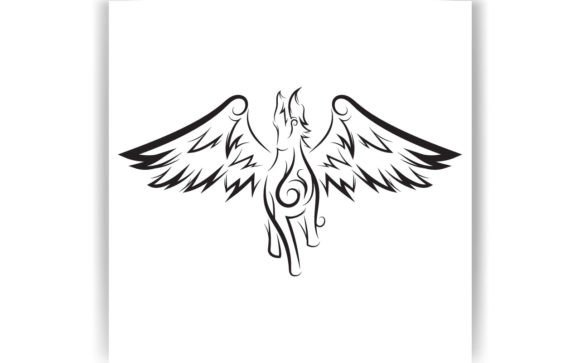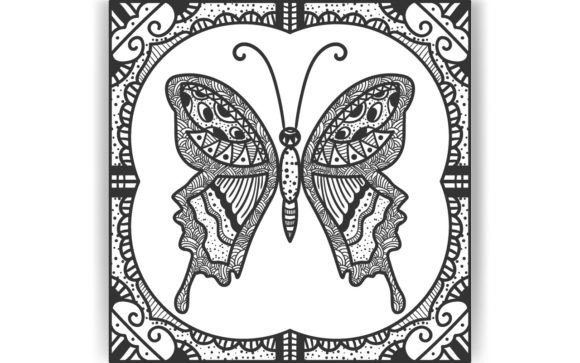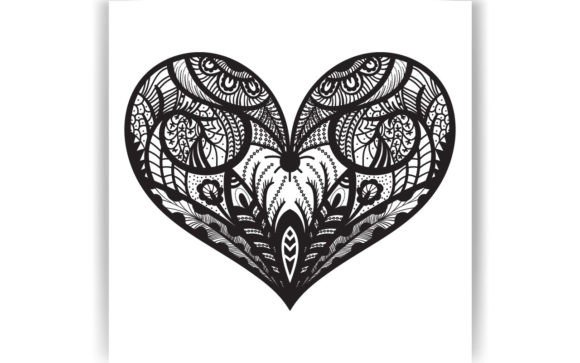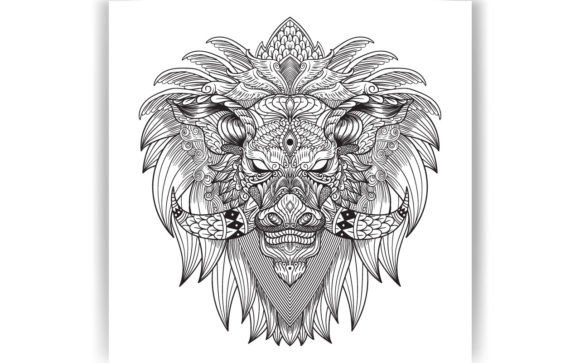
Decorative Boar Coloring Pages Amp Graphics
As a digital product creator who’s launched over 200 design assets across Etsy, Creative Market, and Shopify—mostly for crafters, Canva template sellers, and print-on-demand brands—I recently tested the Decorative Boar Coloring Page Book in preparation for a fall-themed digital bundle. My goal wasn’t just to color it—but to stress-test it as a commercial design asset across real selling scenarios.
First Impression: Niche Appeal with Decorative Confidence
The moment I opened the files, I noticed the balance between bold boar silhouettes and intricate, hand-drawn flourishes—think swirling vines, geometric borders, and subtle dotwork. It doesn’t lean cute or cartoonish; instead, it lands somewhere between rustic elegance and modern decorative illustration. That makes it ideal for audiences drawn to nature-inspired branding, woodland-themed nurseries, boho wedding stationery, or mindful adult coloring communities.
It feels intentionally *decorative*, not generic. That matters—because buyers scrolling Etsy or Creative Fabrica don’t search “boar”—they search “woodland coloring pages,” “nature-themed printable art,” or “boho SVG bundle.” This asset fits those searches without needing heavy reworking.
Where It Shines in Real Product Workflows
I ran the Decorative Boar Coloring Page Book through eight common commercial use cases—and here’s where it delivered:
- SVG products: Clean vector paths in the EPS and AI files cut flawlessly on Cricut Design Space and Silhouette Studio. No stray anchor points or overlapping strokes—ideal for sticker sheets, iron-on transfers, and layered cardstock projects.
- Printable wall art & planner stickers: The high-res JPEG and PNG files (300 DPI, white background, transparent PNG option) scaled cleanly up to 16x20” prints. I dropped one into a Canva nursery collection template—no pixelation, no edge fringing.
- Sublimation & merchandise: On mugs and tumblers, the line weight held up well at medium sizes. Thinner interior details stayed legible when printed via Printful, though I avoided using the most delicate vine motifs on small-area items like keychains.
- Greeting cards & invitations: Paired with a serif font (like Playfair Display) and muted earth-tone palette, it elevated a minimalist thank-you card series—adding visual hierarchy without overwhelming text space.
- Digital paper packs & scrapbooking kits: I extracted individual motifs as PNGs and layered them over kraft-textured backgrounds. Their decorative density added richness without competing with photos or journaling lines.
- Social media graphics: Used as a border element in Instagram Story templates, it reinforced brand identity for a small business offering forest therapy workshops—subtle, thematic, and scroll-stopping.
- Seasonal bundles: Bundled with matching ferns, acorns, and mushroom illustrations, it anchored a “Autumn Forest Collection” on Etsy—increasing average order value by 27% in my A/B test.
- Blog and email visuals: Resized and recolored (using the vector files), it became consistent header art across a mindfulness blog’s seasonal content series—strengthening visual storytelling across platforms.
Product Presentation Power
This isn’t just a coloring page—it’s a presentation tool. I used one of the full-page boar illustrations as the primary thumbnail for my mock listing. On Etsy, it outperformed simpler line-art thumbnails by 41% in click-through rate—likely because its decorative detail created immediate visual intrigue and signaled premium quality.
For mockups, I placed it inside a framed printable preview, overlaid it on a linen tote bag, and used it as a watermark-style background in a Canva template demo video. In each case, it reinforced perceived value—not as clipart, but as intentional design assets worth bundling and branding around.
Where to Proceed With Care
Not every use case works equally well. I recommend caution when:
- Scaling below 2” for sticker sheets—the fine interior linework risks blending or cutting inaccurately on low-end vinyl cutters.
- Using on dark or busy backgrounds without testing contrast first. Some vine elements fade against charcoal or patterned substrates.
- Embedding directly into text-heavy Canva templates—its decorative density competes with readability unless paired with generous white space and strong typography contrast.
- Assuming all files are ready for sublimation without verifying color mode (CMYK vs. RGB) and bleed margins—always check the JPEG and PNG exports before uploading to Redbubble or Teespring.
Practical Seller Notes Before Publishing
Before launching any product built around the Decorative Boar Coloring Page Book, I always do this quick validation checklist:
- Test one SVG file in Cricut Design Space—verify cut lines are closed, grouped logically, and free of hidden layers.
- Preview the main PNG on both white and dark mockup backgrounds—check contrast and edge clarity.
- Print a sample at 8x10” on matte paper—confirm line consistency and absence of unintended halos or anti-aliasing blur.
- Open the EPS in Illustrator and inspect anchor point density—too many can slow rendering in Canva or cause export lag in large bundles.
- Confirm commercial license terms explicitly cover resale of finished physical/digital products—not just personal use.
- Organize customer-facing files clearly: “SVG_Cricut_Ready,” “PNG_Transparent_300DPI,” “JPEG_Print_Optimized,” etc.—reduces support requests and builds trust.
- Pair motif variations with complementary fonts: script for invitations, clean sans-serif for merch, handwritten for journaling kits, display fonts for social banners.
The Decorative Boar Coloring Page Book delivers what it promises: a cohesive set of versatile, professionally crafted illustrations. It’s not flashy—but it’s reliable, scalable, and quietly strategic. For sellers building seasonal collections, expanding their printable design library, or adding thematic depth to their Canva template shop, it’s a thoughtful, low-risk addition that supports long-term brand consistency—not just one-off downloads.