Christmas Decorative Party Vector
A Designer’s First Glance: Festive, Friendly, and Ready for Stitching
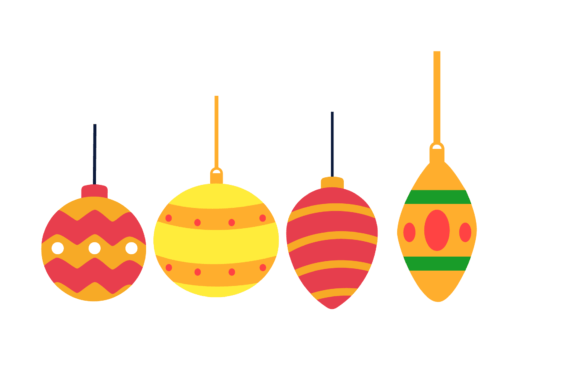
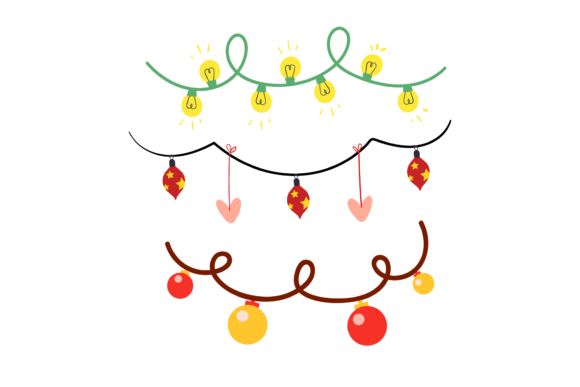
When I opened Christmas Decorative Party Vector, my first thought wasn’t “cute” or “trendy”—it was “this will stitch cleanly.” That’s rare. The composition balances bold outlines with gentle curves, festive motifs (think holly sprigs, ribbon bows, and stylized snowflakes) arranged in a circular wreath-like layout—not too tight, not too sparse. It feels joyful without being chaotic, detailed without crossing into embroidery-unfriendly territory. As an embroidery designer who’s stitched hundreds of holiday pieces, I immediately pictured it on a linen tea towel for a local boutique, or centered on a heavyweight cotton sweatshirt for a small-run holiday collection.
Where It Shines: Real Projects, Real Fabric
I tested Christmas Decorative Party Vector as the centerpiece for a custom embroidered tote bag—canvas weight, medium-stretch, no lining. With a standard 5×7 hoop and medium-weight cutaway stabilizer, the design held its shape beautifully. The outer elements (like the ribbon ends and leaf tips) translated well into satin stitch, while the inner fill areas stayed crisp without excessive density. It also worked surprisingly well on a baby onesie: scaled down to 3.2 inches wide, the key shapes remained legible after stitching—no vanishing details, no thread nests in corners. That’s a win for Etsy sellers offering personalized holiday baby gifts.
For apparel decorators, this design plays nicely with crewnecks and relaxed-fit sweatshirts. Its balanced negative space means it doesn’t overwhelm the garment, and the vector-based clarity helps when converting to embroidery file formats. As a patch design? Yes—especially if you’re planning heat-applied or sew-on versions for aprons or denim jackets. The clean edges and consistent line weight make it ideal for that crisp, boutique-ready finish.
Where to Pause—and Why
Don’t rush Christmas Decorative Party Vector onto thin jersey tees or stretchy rib knits without testing. The design’s moderate detail level demands stability—on lightweight or highly textured fabrics, small interior elements (like the center berry clusters) can blur or distort unless you adjust underlay and reduce stitch density manually. Also, avoid using it full-size on curved surfaces like structured caps: the circular layout compresses awkwardly across the crown seam. If you’re making embroidered patches for hats, crop or reposition key motifs instead of forcing the full layout.
Dark fabric is where contrast becomes critical. The original vector has no built-in shadow or outline, so on navy or charcoal, subtle inner lines may disappear unless you add a white underlay or choose high-contrast thread colors. And while the PNG and JPG files are great for mockups, remember—they’re raster only. For precise digitizing, lean on the AI, EPS, or SVG files to preserve scalability and clean anchor points.
Design Integrity Meets Customer Trust
What makes Christmas Decorative Party Vector feel trustworthy isn’t just its visual polish—it’s how it supports your reputation as a maker. When customers see a finished product with even stitch tension, clear motif definition, and balanced spacing, they don’t just notice the design—they notice *your* skill. That matters whether you’re selling on Etsy, at a craft fair, or fulfilling a local boutique order. This isn’t a “filler” icon; it reads as intentional, cohesive, and hand-selected—not mass-produced. That perception lifts perceived value, especially for personalized gifts or limited-edition holiday merchandise.
Practical Notes Every Embroidery Designer Should Check
- Test before committing: Stitch a sample on scrap fabric matching your final project’s weight and texture—even if it’s just one quadrant.
- Review stitch density: High-fill areas (like solid berries or bow centers) may need reduced density or alternate fill patterns for breathability on baby items or summer-weight apparel.
- Confirm hoop size compatibility: At full 1920×1280 px canvas scale, this design will likely require resizing for most standard hoops—check your machine’s max stitch area before digitizing.
- Inspect small details: Zoom in on the SVG or AI file to verify sharpness of inner corners and tip points—these translate directly to satin stitch accuracy.
- Mock up in black and white: Print or preview the design in grayscale to spot low-contrast zones that might vanish on dark fabric.
- Stabilizer matters: Use cutaway for knits, tear-away for stable wovens, and consider topping for napped fabrics like fleece or terry cloth.
- Licensing check: Since Christmas Decorative Party Vector is listed as a Graphics product with multiple file types, confirm whether commercial use—including resale of finished embroidered products—is explicitly permitted.
Fitting Into Your Creative Workflow
This isn’t just another holiday icon—it’s a flexible design asset. I’ve used it as the anchor for printable mockups (JPG and PNG files), adapted the SVG into an applique design for layered nursery pillows, and pulled individual elements from the AI file to create coordinating border motifs for kitchen towels. For digital product sellers, the five-format bundle gives real flexibility: SVG for Cricut users, EPS for Adobe workflows, and high-res JPG/PNG for social previews or listing thumbnails.
As a small shop owner myself, I appreciate that Christmas Decorative Party Vector doesn’t scream “clip art.” It carries warmth and intention—something customers connect with during the holiday season. Whether you’re embroidering a single custom gift or building a cohesive holiday line, this design supports consistency without limiting creativity. Just remember: its strength lies in thoughtful application, not automatic perfection. Bring your expertise to it—and it’ll bring polish to your finished product.